
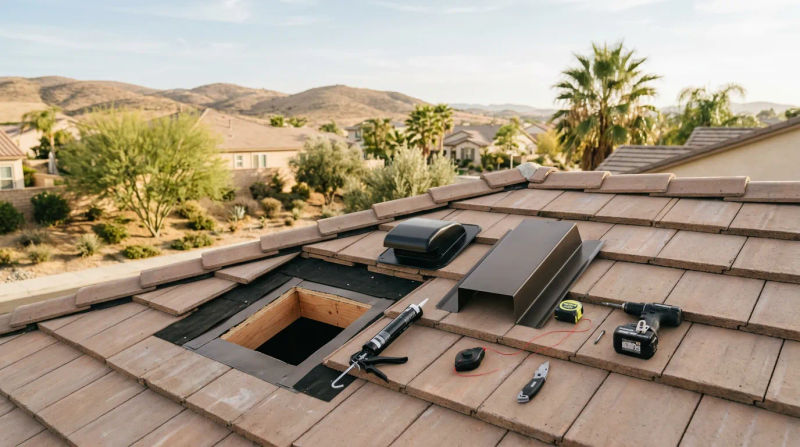
As a Senior Roofing Specialist with over 15 years of experience, one of the first questions I hear from homeowners is, "How much will it cost?" It's a perfectly reasonable question, and when it comes to something as important as your roof, you deserve a transparent answer. Understanding the cost of roof vent installation is about more than just a number; it's about knowing what you're paying for and the long-term value it brings to your home's comfort and structural health.
Especially here in Menifee, where our long, warm seasons put a heavy strain on attics, proper ventilation isn't a luxury - it's a necessity. It helps regulate temperature, reduce energy bills, and prevent moisture buildup that can damage your roof structure. With the cooler days of October upon us, now is an ideal time to plan for these improvements before the winter rain season arrives and holiday hosting makes indoor comfort a top priority.
This guide will break down the typical roof vent installation cost in our area, explain the key factors that influence your final quote, and empower you with the right questions to ask any contractor.
Average Costs in Menifee
While every project is unique, we can provide some realistic price ranges for common vent installations in the Menifee area. These estimates generally include materials, labor for a standard installation, and proper flashing and sealing.
- Static Vents (e.g., slant-back, dormer vents): These are passive vents with no moving parts. For a professional installation, you can expect to pay between $350 and $650 per vent. They are a reliable, cost-effective solution for many homes.
- Turbine Vents ("Whirlybirds"): These wind-powered vents actively pull hot air from the attic. Installation costs typically range from $450 to $800 per vent, depending on the size and model.
- Powered Attic Vents (Electric or Solar): These are the most powerful options, using a motor to exhaust air. A solar-powered vent installation can range from $800 to $1,600, while a hardwired electric model may be slightly less. The price reflects the more complex installation and the unit's higher cost.
- Bathroom or Kitchen Exhaust Vent Caps: Properly venting a bath fan through the roof is critical for moisture control. The average bath fan roof cap install cost is between $400 and $850. This price can vary based on the distance the ducting needs to run and the complexity of the roof penetration.
It’s important to remember these are baseline figures. The specific characteristics of your home, which we'll cover next, play a significant role in the final Menifee attic vent pricing.
Factors That Affect Price
No two roofs are exactly alike, especially in Menifee, where many homes were built during the 1990s and 2000s boom. These properties often feature the large, complex rooflines characteristic of Southern California tract homes. Our technicians are highly experienced in navigating these unique structures. Here are the primary factors that influence your quote.
- Roof Type and Pitch: The material and steepness of your roof are the biggest variables. A low-slope asphalt shingle roof is the most straightforward. However, the Spanish tile and concrete tile common on Mediterranean-style homes in our area require significantly more labor. Each tile around the penetration must be carefully removed, cut, and re-installed with precision to ensure a watertight seal. Steep pitches also require more safety equipment and time, increasing roof penetration labor costs.
- Type and Number of Vents: As noted in the price ranges above, a high-performance solar attic fan will cost more in materials and labor than a simple static vent. The total number of vents needed to properly ventilate your attic space will also be a major factor in the total project cost.
- Accessibility: Is your roof a single story with easy access, or is it a tall two-story home with limited access points? Difficult-to-reach areas require more setup time and specialized safety gear, which is factored into the labor cost.
- Structural Condition: When we cut a penetration for a new vent, we get a direct look at your roof decking. If we discover any soft spots or water damage, that wood will need to be replaced before the vent can be installed securely. Homes from the 90s are now at an age where uncovering minor, localized decking issues is not uncommon.
- Labor and Expertise: The most critical part of any vent installation is making the roof penetration 100% waterproof. This isn't just about applying sealant; it involves a system of underlayment, flashing, and counter-flashing installed in a specific sequence. An inexperienced installer can easily create a future leak. Our organized workflows and standardized processes ensure that every installation performed by our trained crews is done right the first time, preventing costly water damage down the road.
How to Get the Best Value
Getting the best value doesn't mean finding the cheapest price. It means investing in a solution that will perform effectively for years without causing secondary problems like leaks.
- Invest in a System, Not Just a Vent: A professional will calculate your attic's specific ventilation needs (Net Free Area) to recommend the right combination of intake and exhaust vents. Installing a powerful exhaust vent without adequate intake, for example, is an inefficient use of money.
- Bundle with Other Services: If you're already planning a roof tune-up or repair, adding a vent installation at the same time can be more cost-effective. The crew and equipment are already on-site, which can reduce the overall labor cost compared to two separate service calls.
- Request an Itemized Quote: A transparent quote should separate the costs for materials, labor, and any necessary roof repairs. This allows you to see exactly what you are paying for and compare different bids accurately. Companies like Grageola Roofing can provide itemized quotes that clarify complexities related to your specific roof type.
- Prioritize Quality Installation: A leak caused by a faulty installation can cost thousands to repair. Paying a bit more for a reputable, insured contractor who warranties their workmanship is the smartest long-term financial decision.
Questions to Ask Your Contractor
When you receive a quote, you should feel confident in the contractor's ability to do the job correctly. Here are some essential questions to ask:
- Are you licensed and do you carry both general liability and worker's compensation insurance?
- What specific type of flashing and sealant will you use for my type of roof?
- What is your warranty on the installation workmanship?
- How will you calculate the ventilation requirements for my attic?
- Can you explain the process you use to ensure the roof penetration is permanently waterproof?
- Will this project require a permit from the city of Menifee?
Proper attic ventilation is a critical component of a healthy, efficient home. While cost is a major consideration, understanding the factors behind the price ensures you can make an informed decision that protects your investment and enhances your comfort for years to come.
For a personalized, detailed estimate for your Menifee home, contact Grageola Roofing for a free consultation. We're happy to walk you through your options and provide a clear, comprehensive quote.