
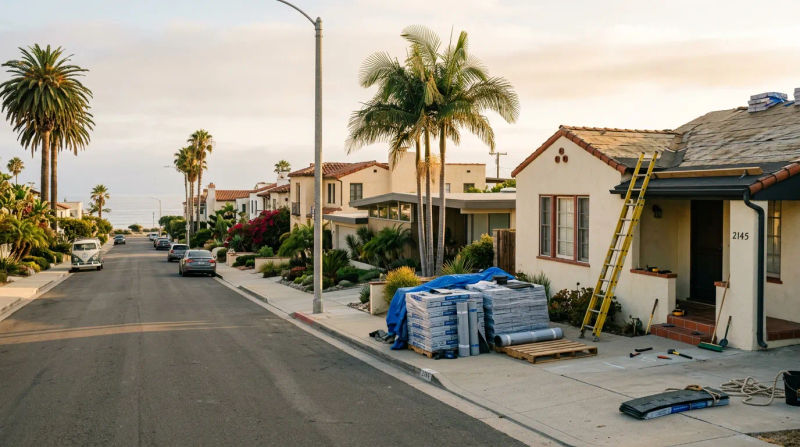
As a Senior Roofing Specialist with Grageola Roofing, I've spent over 15 years on roofs all over Orange County. But there's something unique about working here in Long Beach. The same ocean breeze that makes our city such a wonderful place to live also presents a specific set of challenges for your home's most important asset: its roof. A standard roofing approach simply won't cut it when you're dealing with constant salt spray and persistent coastal winds. Understanding these local factors is the first step in ensuring your home is properly protected.
September is an ideal time for homeowners to assess their roofs. The intense summer sun has passed, and we have a window to plan and execute a Long Beach roof replacement before the wetter winter months arrive. It's also a crucial time to consider roof integrity as we enter the late fire season, when Santa Ana winds can pose a significant threat.
Long Beach Weather Challenges
Living by the coast means our homes endure a weather cycle that's far different from inland communities. At Grageola Roofing, we see firsthand how this environment impacts roofing systems every single day.
- Salt Air Corrosion: The biggest adversary for a Long Beach roof is the marine layer. It carries fine salt particles that settle on every surface, including your roof. Over time, this saline moisture aggressively corrodes metal components. We often find that flashings, vents, and especially the fasteners holding the roof together are the first points of failure. This is the primary driver behind our focus on salt air roof corrosion prevention. An otherwise healthy-looking roof can be compromised by rusted-out nails and degraded valley flashing.
- Coastal Wind Uplift: That steady ocean breeze is relentless. It creates a powerful upward pressure on your roof, particularly at the edges, eaves, and ridges. This phenomenon, known as wind uplift, works to loosen shingles and pry at seams over time. A roofer who doesn't understand this dynamic might use a standard installation method, leaving your home vulnerable to leaks and significant damage during a storm. A proper coastal wind uplift roof replacement requires specialized techniques to keep everything locked down tight.
- Intense UV Exposure: While we enjoy milder temperatures than inland cities, our roofs are still exposed to intense, direct sunlight. This UV radiation breaks down roofing materials over the years, making them brittle and less effective. This is especially true for many of the older homes in Long Beach, which may still have their original roofing materials from decades ago.
Best Practices for Local Homeowners
Protecting your home starts with choosing the right materials and ensuring they are installed by a team that understands our local environment. Many homes in Long Beach were built during the post-WWII boom of the 1950s. These classic Ranch and Minimal Traditional style homes, with their characteristic low-pitched rooflines, require specific considerations.
When looking for the best roofing materials for coastal Long Beach, here are a few options our technicians at Grageola Roofing frequently recommend:
- Corrosion-Resistant Architectural Shingles: Modern architectural shingles are an excellent choice. Look for products that feature algae-resistant technology (often infused with copper granules) to prevent staining and degradation from moisture. For our coastal area, we always use a six-nail-per-shingle pattern, which significantly increases the shingle's wind warranty and resistance to uplift.
- Standing Seam Metal Roofing: For homeowners seeking maximum durability, a standing seam metal roof is a premium option. However, the type of metal and its coating are critical. We recommend a system with a Kynar 500 (PVDF) factory finish, which is specifically designed to resist salt spray, chalking, and fading. It’s a fantastic modern look that can still complement the clean lines of a 1950s Ranch home.
- Proper Fasteners and Flashing: This is a detail that cannot be overlooked. A 30-year shingle will fail in 10 years if the nails holding it down rust away. We insist on using stainless steel or hot-dip galvanized fasteners for all our coastal projects. They cost a little more, but they are essential for the long-term integrity of your roof system.
Proper attic ventilation is also crucial. The humid coastal air can lead to moisture buildup in your attic, promoting mold growth and compromising the roof deck. A well-designed system of intake and exhaust vents ensures your roof can breathe, keeping the underlying structure dry and sound.
Local Resources and References
When planning a roof replacement, it's always wise to be informed about local requirements. The City of Long Beach Development Services department is your primary resource for understanding building codes and permitting processes. Ensuring your contractor is familiar with these local codes is non-negotiable.
Additionally, for homeowners concerned about fire safety, especially with the late fire season upon us, CAL FIRE provides excellent resources on Class A fire-rated roofing materials. A new roof is an opportunity to significantly upgrade your home's defense against wildfire embers, a real threat during Santa Ana wind events.
Choosing a Local Expert
When you get a quote from a roofing company, ask them specifically what kind of fasteners they use and what their nailing pattern is for high-wind areas. If they don't have an immediate, confident answer, they may not have the local experience necessary for a Long Beach installation. Grageola Roofing has served Long Beach homeowners for years, and these coastal specifications are a standard part of our process, not an afterthought.
Our trained crews understand the nuances of protecting a home from salt and wind. We have organized workflows and standardized processes that ensure every detail, from the starter strip at the eave to the flashing around the chimney, is executed to withstand our unique coastal climate. An out-of-area roofer might offer a lower price, but they often cut corners on these unseen details - the very details that prevent premature failure.
Your Coastal Roofing Partner
Living in Long Beach offers an incredible lifestyle, but it requires that we take a more thoughtful approach to maintaining our homes. Your roof is your first line of defense against the elements, and in our coastal environment, that defense needs to be robust, corrosion-resistant, and installed with meticulous attention to detail.
As you plan your home improvement projects this fall, take a close look at your roof. If it's showing signs of age, or if you're concerned it wasn't installed with our climate in mind, please reach out. When it comes to roofing in Long Beach, the team at Grageola Roofing has the local expertise and proven processes you need to protect your home for years to come. Let's make sure your roof is ready for whatever the Pacific sends our way.