
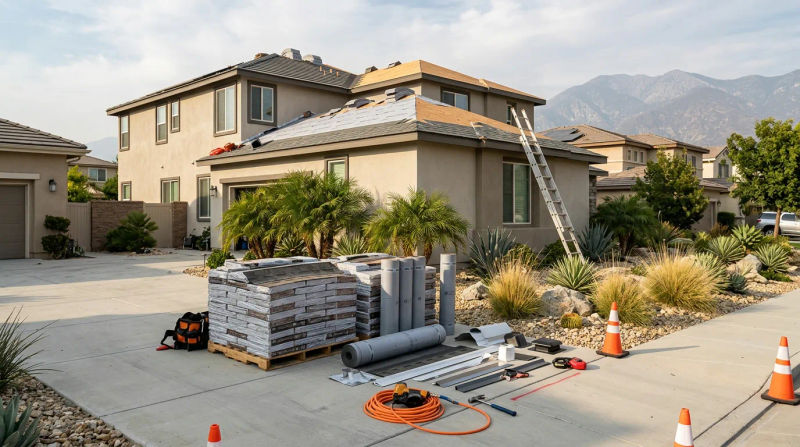
As a Senior Roofing Specialist with over 15 years of hands-on experience, I know the first question on nearly every homeowner's mind is, "How much is this going to cost?" A new roof is a significant investment in your home's protection and value, and you deserve a clear, transparent answer. Especially as we move through September, it's a popular time to plan for a replacement before the fall and winter rains arrive. This guide is designed to demystify the Ontario new roof cost, helping you understand the key factors that influence pricing so you can budget effectively for a project in 2026.
Our goal is to provide you with the information our own technicians use when building an estimate, giving you a realistic picture of what to expect for a professional installation in the Ontario, CA area.
Average Costs in Ontario
Providing a single, flat-rate price for a new roof is impossible because every home is unique. However, we can provide a realistic range based on the most common roofing projects we see in the Inland Empire. For a typical single-story home between 1,500 and 2,000 square feet, the average new roof installation cost Ontario CA generally falls between $14,000 and $24,500.
This range typically covers a full replacement using high-quality architectural composition shingles, which are popular for their durability, aesthetic appeal, and value. Here’s a general breakdown:
- Smaller Homes (around 1,500 sq. ft.): You might expect costs in the $14,000 to $18,000 range.
- Mid-Sized Homes (around 2,000 sq. ft.): Costs often land between $18,000 and $22,000.
- Larger or More Complex Roofs (2,500+ sq. ft.): Pricing can start at $22,500 and go up from there, depending on the factors we'll discuss below.
Remember, these are ballpark figures. The final composition shingle roof cost Ontario depends on a detailed inspection and a specific scope of work.
Factors That Affect Price
Two homes of the exact same square footage can have very different roofing costs. That's because several critical variables influence the final price. These are the primary reroof pricing factors Inland Empire contractors evaluate.
- Roof Size and Complexity: This is the most significant factor. It’s not just about the square footage of your home, but the total surface area of your roof. A steep-pitched roof has more surface area than a low-sloped one on an identical house. Features like dormers, valleys, hips, and skylights add complexity, requiring more detailed labor for cutting and flashing, which increases the cost.
- Roofing Materials: While architectural composition shingles are the standard, there's a wide range of quality. Basic shingles are the most affordable, but premium options with features like enhanced impact resistance, algae-resistant granules, or cool-roof technology (which reflects more sunlight and is ideal for Ontario's heat) will cost more upfront but can offer better long-term performance and energy savings.
- Tear-Off and Disposal: A proper roof replacement includes tearing off all existing layers of roofing down to the wood decking. If you have multiple layers of old shingles, the labor and disposal fees will be higher. Skipping this step is not recommended, as it prevents a thorough inspection of the underlying structure.
- Decking and Structural Repairs: The wooden roof deck is the foundation of your roofing system. Many homes in Ontario were built in the 1950s and may have original plank decking. During the tear-off, our crews inspect this decking for water damage, dry rot, or delamination. Any damaged sheets must be replaced to meet building codes and ensure a solid surface for nailing the new shingles. This is a common and necessary additional cost that can only be determined after the old roof is removed.
- Underlayment and Ventilation: In Ontario, managing heat is critical. We use high-quality synthetic underlayment that acts as a secondary water barrier and can withstand high temperatures. Proper attic ventilation (including intake and exhaust vents) is also crucial for extending the life of your roof and improving energy efficiency. Upgrading or adding ventilation will be part of the total cost but is a vital investment.
- Labor and Workmanship: The experience and efficiency of the installation crew are a major part of the cost. A professional company invests in trained, insured crews who follow standardized processes for safety and quality. This ensures the job is done right, protecting your warranty and preventing future leaks. Organized workflows and proper site management mean a smoother, more reliable installation.
How to Get the Best Value
Getting the best value doesn't mean finding the cheapest price. A poorly installed cheap roof will cost you far more in the long run through repairs and premature replacement. Here’s how to make a smart investment.
- Think Long-Term: Choose materials suited for the Inland Empire climate. A slightly more expensive shingle with solar-reflective properties might save you money on cooling costs over the life of the roof.
- Focus on the System: A roof is more than just shingles. Ensure your estimate includes quality underlayment, proper flashing, and adequate ventilation. These components work together to protect your home.
- Verify Credentials: Only work with contractors who are licensed by the CSLB, carry full liability insurance, and have workers' compensation coverage. This protects you from liability and ensures they are accountable.
- Compare Detailed Quotes: When you get multiple estimates, make sure they are